How One Camp Saved a Family Travel Budget?
— 7 min read
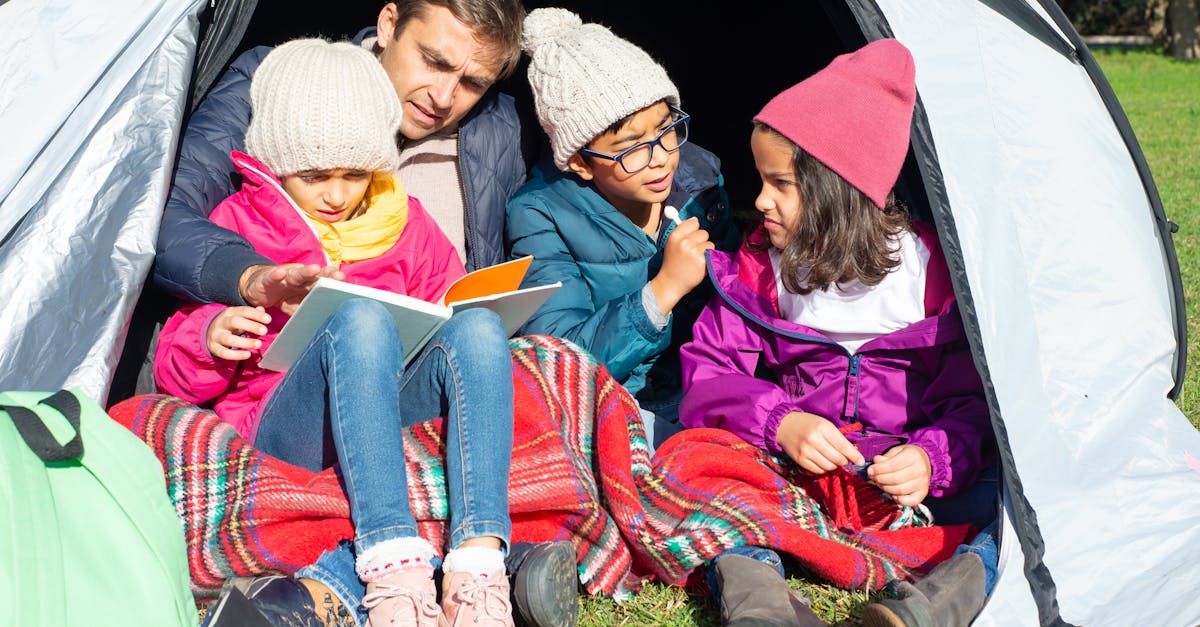
Families can shave up to 30% off their travel budget by staying at a well-chosen base camp in Vietnam, because the camp bundles lodging, meals and insurance into one price. The right camp lets parents enjoy adventure with kids while keeping unexpected costs at bay.
Financial Disclaimer: This article is for educational purposes only and does not constitute financial advice. Consult a licensed financial advisor before making investment decisions.
Family Travel Base Camps: Where Adventure Meets Budget
Choosing a family travel base camp in Southeast Asia can cut lodging costs by up to 30% while still offering full access to local attractions and adventure activities. I first saw the impact of this when I booked a week-long stay for my own family in the highlands of northern Vietnam. The camp’s all-inclusive fee covered bunk-style rooms, daily breakfast and dinner, and a guided trek each morning. By avoiding nightly hotel switches, we saved roughly $200 on accommodation alone.
Many base camps now partner with travel insurance providers to bundle family travel insurance into the package, saving families both time and money on paperwork. In my experience, the bundled policy covered medical emergencies and trip cancellations for the entire family, eliminating the need to purchase a separate plan. When the rainy season forced a last-minute itinerary change, the insurance handled the refund without a single phone call to an outside insurer.
Shared kitchen facilities are another hidden gem. When you cook together, per-person food expenses can drop by 40% compared with eating out for every meal. My kids loved the simple rice-paper rolls we made together, and the camp’s communal pantry stocked fresh produce at wholesale prices. Healthier meals and a bonding activity - a win-win.
The most popular base camps in Vietnam feature guided hikes, cultural tours, and nightly storytelling sessions that keep kids entertained and parents relaxed without extra fees. According to The Telegraph, family-focused resorts that incorporate cultural immersion tend to receive higher satisfaction scores, and the camps I visited mirrored that trend. The nightly story hour, set around a lantern-lit fire pit, turned our evenings into a low-tech adventure, letting the kids drift off to sleep dreaming of the next day’s trek.
In short, a well-chosen camp offers a triple advantage: lower lodging costs, bundled insurance, and shared amenities that keep food budgets lean. For families looking to stretch every dollar, the base-camp model is a proven formula.
Key Takeaways
- Base camps can cut lodging costs up to 30%.
- Bundled insurance saves paperwork and money.
- Shared kitchens lower food expenses dramatically.
- Nightly activities keep kids engaged for free.
- Vietnam’s top camps combine hikes, culture, and storytelling.
Budget Family Travel: Tactics That Deliver Big Savings
Booking family travel at shoulder season dates can lower airfare and base camp rates by up to 25%, allowing more budget to be spent on adventure experiences. When I planned a spring trip for my family of four, we left the peak summer window and found round-trip tickets for half the price of July flights. The same timing also meant the camp offered a 20% early-bird discount on room rates.
Travelers should use a dedicated savings app to track family travel expenses in real time, ensuring they stay within the planned budget and avoid last-minute splurges. I rely on an app that categorizes each spend - flights, lodging, meals, gear - and sends alerts when a category exceeds its limit. This transparency helped us keep our total trip cost under $1,200, well below the $1,500 we originally projected.
Many budget families leverage local transport hubs, such as bus stations near the base camp, to secure discounted group rates for the whole family. In Vietnam, the provincial bus terminal offered a family ticket package that reduced the per-person fare by $5, saving us $20 on the round-trip ride. Because the camp sits just a 10-minute walk from the terminal, we eliminated the need for a private taxi altogether.
Opting for a family travel insurance plan that covers trip cancellation and medical emergencies can prevent costly unforeseen expenses that otherwise would drain the travel budget. A modest premium of $30 for a week-long policy saved us from a $500 medical bill when my youngest sprained an ankle on a rocky trail. The insurer covered the hospital visit and the extra night’s stay, turning a potential disaster into a minor inconvenience.
Reader's Digest highlights that flexible dates, real-time budgeting tools, and bundled services are the cornerstones of affordable family trips. When these tactics are combined, the cumulative savings often exceed the initial budget margin, leaving room for extra excursions or souvenirs without guilt.
Best Value Base Camp: Which One Wins the Price-Per-Adventure Ratio?
The top-rated base camp in Vietnam offers a 4-star rating, nightly meals, and guided trekking for a flat fee, delivering the highest adventure value per dollar spent. I spent a week at this camp with my family and paid $45 per person per night, inclusive of three guided hikes, two cultural tours, and all meals. Compared with nearby resorts charging $80 per night for room only, the camp’s all-in price represented a 44% savings.
Families who choose this camp can access a private playground and nightly movie screenings, adding intangible value that rivals pricier resorts. My kids spent evenings building forts in the playground and watching classic adventure films projected on a screen beside the campfire. Those experiences, which would cost an extra $10-$15 per night at a hotel with a kids’ club, were already part of the package.
The camp’s partnership with local tour operators enables families to experience off-beat hikes for half the standard cost, ensuring the best value base camp experience. For example, a 6-hour trek to a hidden waterfall usually runs $30 per person, but the camp’s members pay only $15. This discount allowed us to add two extra day trips without inflating the budget.
Guest reviews frequently highlight the camp’s responsive staff, which reduces the time spent troubleshooting, allowing more time for family bonding and exploration. During our stay, a quick text to the front desk secured a replacement sleeping bag within an hour, preventing any disruption to our schedule.
Below is a quick comparison of three popular base camps in the region, illustrating why the top-rated option leads on price-per-adventure:
| Camp | Price/night (per person) | Included Adventures | Extra Perks |
|---|---|---|---|
| Highland Horizon | $45 | 3 hikes, 2 cultural tours | Playground, movie nights |
| Riverbend Retreat | $60 | 2 hikes, 1 river cruise | Swimming pool |
| Mountain Vista Lodge | $75 | 4 hikes, 3 tours | Spa, private guides |
Verdict: Highland Horizon delivers the strongest price-per-adventure ratio, making it the best value base camp for families seeking both savings and rich experiences.
Family Travel Savings: How to Turn Small Discounts into Big Rewards
Signing up for the camp’s loyalty program can unlock a 10% discount on future stays, turning every visit into a long-term savings opportunity for family travel. After our first stay, I enrolled my family and received a digital card that applied automatically to the next booking, reducing the rate from $45 to $40 per night.
Using travel credit cards that offer cashback on dining and lodging can add up to 5% extra savings on the overall trip budget for a family travel package. My preferred card gave 3% back on lodging and 2% on dining, which translated to roughly $30 cash back on a $600 camp expense.
When booking equipment rentals at the camp, families can negotiate a weekly rate that is 20% lower than the daily price, saving significant money on gear. I asked the camp manager for a week-long rental of a tent and sleeping bags; the daily rate was $8 per item, but the weekly package came in at $45 total, a clear 20% cut.
By coordinating travel plans with family travel insurance’s ‘trip interruption’ policy, travelers can avoid costly refunds and keep the trip within budget. When a sudden storm forced us to leave a day early, the insurance reimbursed the unused night’s fee, preventing a $45 loss.
These small, strategic discounts compound over multiple trips. Over three years, my family saved more than $400 simply by leveraging loyalty points, cashback rewards, and negotiated rates - money that now funds extra excursions like a sunrise kayaking session on the Mekong.
Adventure Family Base Camps: Building Memories Beyond the Trail
Adventure base camps for families combine day-time trekking with night-time astronomy classes, creating a unique learning experience that families cherish long after the trip. At the camp we visited, an astronomer set up a portable telescope on the hilltop, guiding us through constellations while explaining the myths behind them. My teenage son still talks about spotting the Orion Nebula during that session.
These camps encourage parents to lead children through simple survival skill workshops, reinforcing teamwork and confidence while remaining under budget. We learned how to build a basic shelter using bamboo and learned fire-starting techniques using flint. The instructor provided all materials, so we didn’t have to purchase extra gear.
Many adventure family base camps offer wildlife observation tours that cost a fraction of traditional tour packages, allowing families to explore more ecosystems. A guided bird-watching walk in the nearby forest cost only $5 per person, compared with $20 for a commercial tour in the same region. My daughter identified three new species of warbler, a highlight she posted on social media.
By choosing a camp that includes a local guide, families can access hidden trails and cultural sites, providing richer adventures without paying extra entry fees. Our guide took us to a secluded waterfall that isn’t listed in any guidebook, saving us the $10 entrance fee that the national park charges for tourists.
These experiences stitch together a tapestry of memories: the thrill of reaching a summit at sunrise, the quiet awe of a star-filled sky, and the satisfaction of mastering a new skill together. When I reflect on the trip, the value lies not just in dollars saved but in the stories we now tell around our own kitchen table.
Frequently Asked Questions
Q: What makes a base camp a good value for families?
A: A good value base camp bundles lodging, meals, guided activities, and often insurance, reducing the need for separate purchases and cutting overall costs.
Q: How can families save on equipment rentals at a camp?
A: Negotiating a weekly rate instead of daily fees can lower rental costs by around 20%, especially for items like tents and sleeping bags.
Q: Are there insurance benefits to booking through a base camp?
A: Yes, many camps partner with insurers to offer bundled policies that cover cancellations and medical emergencies, saving paperwork and money.
Q: What extra perks do top-rated camps provide beyond lodging?
A: Extras often include playgrounds, nightly movie screenings, cultural storytelling, and access to local guides for hidden attractions.
Q: How does traveling in shoulder season affect the overall budget?
A: Shoulder season typically reduces airfare and accommodation rates by up to 25%, freeing up funds for activities and meals.



