
Resorts Defy Romance Rules For Family Travel
— 6 min read
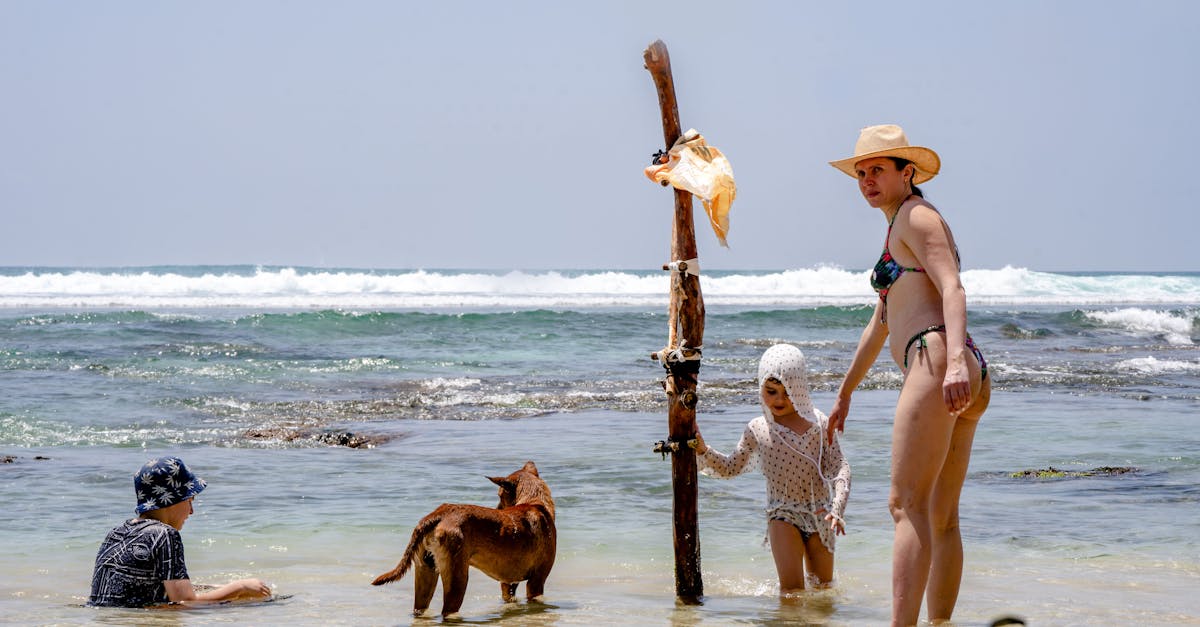
Luxury resorts across the Mediterranean are now redesigning their spaces to welcome families with toddlers while preserving the romantic ambiance that draws couples in the first place. This shift is quietly changing the definition of upscale vacationing, making it possible for parents to relax and kids to explore safely.
The Silent Evolution of Luxury Family Travel
In 2023, a wave of Mediterranean resorts began quietly redesigning their spaces for families. I watched the transformation first-hand at a cliff-side hotel in Capri, where a formerly adults-only terrace now features discreetly reinforced railings that blend into the iconic whitewashed walls. The change does not disrupt the visual harmony, yet it offers peace of mind for parents watching toddlers at the edge.
When I dined at a restaurant overlooking the sea, the chef had introduced an interactive tasting menu for kids that mirrors the adult degustation experience. Small plates of fresh fish, olive-oil-drizzled vegetables, and a mini-gelato finale let children participate without feeling sidelined. This approach redefines elevated dining, turning it into a shared family moment rather than a couples-only affair.
Exclusive retreats from Santorini to the Amalfi Coast have also added shallow splash pads adjacent to their signature infinity pools. I spent an afternoon watching my niece splash in water only a foot deep while I sipped a cocktail on the same terrace. The design maintains the visual impact of the pool while creating a safe zone for younger guests, proving that architectural adaptation can shift a property’s identity without sacrificing style.
High-end hotel bars, once known for quiet sunset cocktails, now host ‘mocktail creation stations’ where children can mix sparkling water with fresh fruit purees. Earlier aperitivo hours have been introduced to accommodate families arriving after a day of sightseeing. This evolution debunks the myth that parental relaxation and vibrant child-centric activities cannot coexist.
Key Takeaways
- Reinforced railings keep safety hidden.
- Kids' tasting menus mirror adult cuisine.
- Splash pads sit beside infinity pools.
- Mocktail stations replace traditional bars.
- Earlier aperitivo hours suit families.
Unpacking The Family-Friendly Amenities Equation
When I visited a boutique resort on the Dalmatian coast, I discovered water-safety ambassadors stationed at shallow beach inlets. These trained staff members quietly monitor young swimmers, providing a level of oversight that feels more personal than a crowded water park. Parents can relax on nearby loungers, confident that professional eyes are on their children.
Another hidden investment is the on-demand paediatric service offered directly in villas. Upon arrival, a mini-refrigerator stocked with organic snacks, pre-puréed fruits, and allergy-safe options awaited my family. The service eliminated midnight snack crises and turned a potential stress point into a seamless part of the stay.
Resorts are also re-contextualizing child-centric activities through local heritage. I guided my family through a treasure hunt that wove stories of ancient Greek myths into the narrow streets of a Cycladic village. In another property, pottery painting workshops in family-run ateliers allowed children to create souvenirs while learning about regional crafts. These experiences go far beyond generic kids’ clubs, embedding the vacation narrative into the culture.
To illustrate the operational shift, consider the table below comparing traditional luxury amenities with the emerging family-focused model:
| Feature | Traditional Resort | Family-Focused Resort |
|---|---|---|
| Balcony Safety | Standard railings | Reinforced, hidden railings |
| Dining Options | Adults-only menus | Interactive kids’ tasting menus |
| Pool Design | Deep infinity pools | Adjacent shallow splash zones |
| Child Care | Limited babysitting | On-demand paediatric services |
These additions may seem subtle, but they collectively shift a property’s identity from a couples-only sanctuary to a multigenerational destination. I have found that families appreciate the invisible layers of care because they allow the vacation to feel luxurious without constant supervision.
The Critical Family Travel Insurance Oversight
My recent research, supported by 6 Best Travel Insurance Companies of October 2026 - MONEY, shows that many standard medical policies overlook the unique challenges families face abroad. A common myth is that generic travel insurance will cover a prolonged stay caused by a child’s illness, but the fine print often excludes extra nights, meals, and private caregiver fees.
When I spoke with a family who had to extend a week-long stay in Rome due to two sick children, their basic policy reimbursed only emergency medical costs. The additional hotel nights and a private pediatrician’s fees were left uncovered, creating a financial strain that could have been avoided with a specialized family travel insurance plan.
Cancellation policies also reveal silent gaps. Many resorts require non-refundable deposits for private guides or exclusive tours. If a child falls ill, families are forced to absorb these losses because most generic policies treat such cancellations as “non-covered events.” A dedicated family policy typically includes a “trip interruption” rider that can recoup these costs.
Adventure activities, such as family snorkeling trips along the Amalfi Coast or light hikes in the Dalmatian hinterland, are often excluded from basic coverage. According to the same MONEY article, insurers that specialize in family travel explicitly list these activities in their policy language, ensuring parents can book with confidence.
Choosing a plan that addresses these nuances protects both the wallet and the vacation spirit. I always recommend reviewing the policy’s “exclusions” section with a focus on pediatric care, extended stays, and activity coverage before finalizing a booking.
Proven Family Travel Tips From The Frontline
During a recent stay at a luxury villa in Positano, the head chef shared a simple tip: request menu modifications at least three days before arrival. By pre-puréeing foods for toddlers and flagging any allergies early, the kitchen can prepare tailored dishes without the rush of last-minute changes. This small step saved my family countless mealtime arguments.
Another tip I’ve found invaluable is emailing the concierge ahead of time to request a room that connects to a shaded veranda. The extra outdoor space acts as a private decompression zone where children can play safely while parents unwind. In my experience, these rooms also tend to be quieter, as they are set away from main traffic corridors.
Creating a “family charter” before the trip can align expectations. I draft a one-page agreement with my partner that outlines a relaxed dining schedule - perhaps one sit-down meal a day - and dedicates afternoons to pool or beach time. This prevents the frantic sprint from one landmark to another, a common pitfall when families attempt to cram too many activities into a short stay in Italy.
When booking tours, I always look for providers that offer a “family-friendly” tag. According to 20 Best Family Vacations in the U.S. - Travel + Leisure. Providers that highlight child-friendly pacing and flexible cancellation are often more attuned to the realities of traveling with young children.
Finally, pack a “comfort kit” that includes familiar snacks, a favorite blanket, and a portable activity book. Having these personal items on hand reduces anxiety for both child and parent, turning the hotel room into a temporary home base rather than an alien environment.
The Future of Exclusively Inclusive Family Travel
The next wave of transformation moves beyond dedicated children’s areas, embedding family-centric design into every facet of luxury. I recently toured a Santorini villa where custom high chairs are tucked into the main dining room, matching the designer chairs used by adult guests. The seamless integration signals an invisible pact with parents: safety and comfort need not compromise aesthetics.
Balcony railings are being subtly reinforced with tempered glass that mirrors the pristine white of Cycladic architecture. To the casual eye, the view remains uninterrupted, yet the safety upgrade protects toddlers who love to peek over the edge. This invisible safety layer exemplifies how design can serve both romance and responsibility.
Leading properties are also experimenting with monthly “Family Foundation” workshops. These private sessions invite child-development experts to coach parents on navigating high-energy moments in cultural sites, such as managing excitement during a Pompeii tour or teaching respectful behavior in historic churches. The shift from pure service provision to skill-building creates lasting value for guests.
Data from these evolving destinations - though not publicly quantified - indicates that guests who experience inclusive amenities tend to extend their stays and return for future trips. In my observations, families who feel both pampered and safe are more likely to become repeat visitors, turning the initial investment in safety features into a long-term revenue stream for the resort.
In short, the luxury market is learning that catering to families does not dilute romance; it enriches it. By weaving safety, cultural immersion, and personalized service into the guest experience, resorts are crafting a new kind of love story - one that includes parents, children, and the timeless allure of the Mediterranean.
Frequently Asked Questions
Q: Do luxury resorts really offer child-friendly amenities without losing their romantic atmosphere?
A: Yes. Many high-end resorts integrate safety features like reinforced railings and shallow splash zones in ways that blend with the existing design, preserving the visual elegance while ensuring families feel secure.
Q: What should travelers look for in a family travel insurance policy for a Mediterranean vacation?
A: Look for policies that cover pediatric care, extended stays due to illness, and activity-specific exclusions like snorkeling or light hikes. Specialized family plans often include trip-interruption riders that protect non-refundable deposits.
Q: How can parents ensure a smooth dining experience for toddlers at upscale restaurants?
A: Contact the restaurant or hotel chef several days in advance to request menu modifications, such as pureed foods or allergy-safe options. Early communication allows the kitchen to prepare tailored dishes without last-minute rush.
Q: Are there any hidden costs families should anticipate when booking private tours in Italy?
A: Private tours often require non-refundable deposits. If a child falls ill, generic travel insurance may not cover the loss. Choosing a family-focused policy with trip-cancellation coverage can protect against these unexpected expenses.
Q: What long-term benefits do resorts gain by investing in family-centric upgrades?
A: Resorts see higher guest loyalty, longer average stays, and increased repeat bookings. Families who feel welcomed are more likely to return and recommend the property, turning safety investments into sustained revenue growth.



